Feel better today with acupuncture & Japanese moxa, qigong, taichi, or yoga
Entering Moxa Season
A brief introduction to the Chinese Farmers' Calendar to live in harmony with Heaven and Earth
by Chrys Soenaris
3/17/20262 min read
Cultural Heritage Worth a Thousand Pieces of Gold — A Brief Introduction to the Chinese Farmers’ Calendar
For thousands of years, traditional cultures in the Yellow River basin have aligned their lives with the 24 movements of the Sun—the subtle turning of light and shadow as seen from Earth. This ancient rhythm guided farming, festivals, food, rest, and the cultivation of health and happiness.
Many people know that across East Asian cultures—Chinese, Japanese, Korean, Tibetan, Vietnamese and others—the Yang Fire Horse year began on 17 February. In the luni-solar calendar of the Northern Hemisphere, this marked the Beginning of Spring, arriving with a New Moon and the solar node known as Beginning of Spring within the 24 small seasons.
I'd like to introduce the Chinese Farmers’ Calendar, which is a useful guide for health cultivation practice. Our bodies mirror the movements of nature. When we observe nature carefully, we learn how to care for ourselves accordingly.
The following seasonal markers are adapted to the Southern Hemisphere climate. Each node carries deeper traditions—festivals, farming practices, foods, rituals, movement, and rhythms of living. This is only a brief glimpse, and only contains Autumn and Winter. More information is coming in my future emails.
4 February — Beginning of Autumn
Warmth still lingers on the Earth’s surface, yet Yang begins to withdraw inward. Mornings and evenings grow cooler. The season pivots—warm and cool exchanging places, weather shifting suddenly.
17 February — End of Heat
Days shorten. Warm afternoons give way to cooler mornings and evenings as the season tilts further toward Autumn.
5 March — White Dew
Yesterday’s warmth becomes heavy dew on the morning grass. Moisture gathers quietly—nature’s signal that the crops of Summer are ready for harvest.
29 March — Autumnal Equinox
Day and night stand in perfect balance.
In China this time falls around a bright full moon of late September—the Mid-Autumn Festival—when families gather to share moon cakes, drink tea, and remember joyful moments before the inward quiet of Winter. Some light incense and send wishes to the Jade Rabbit on the Moon, who is said to be preparing medicine for the people, guarding their health and happiness.
5 April — Cold Dew
The mornings bite with chill. Heavy dew settles across the ground.
20 April — Frost’s Descent
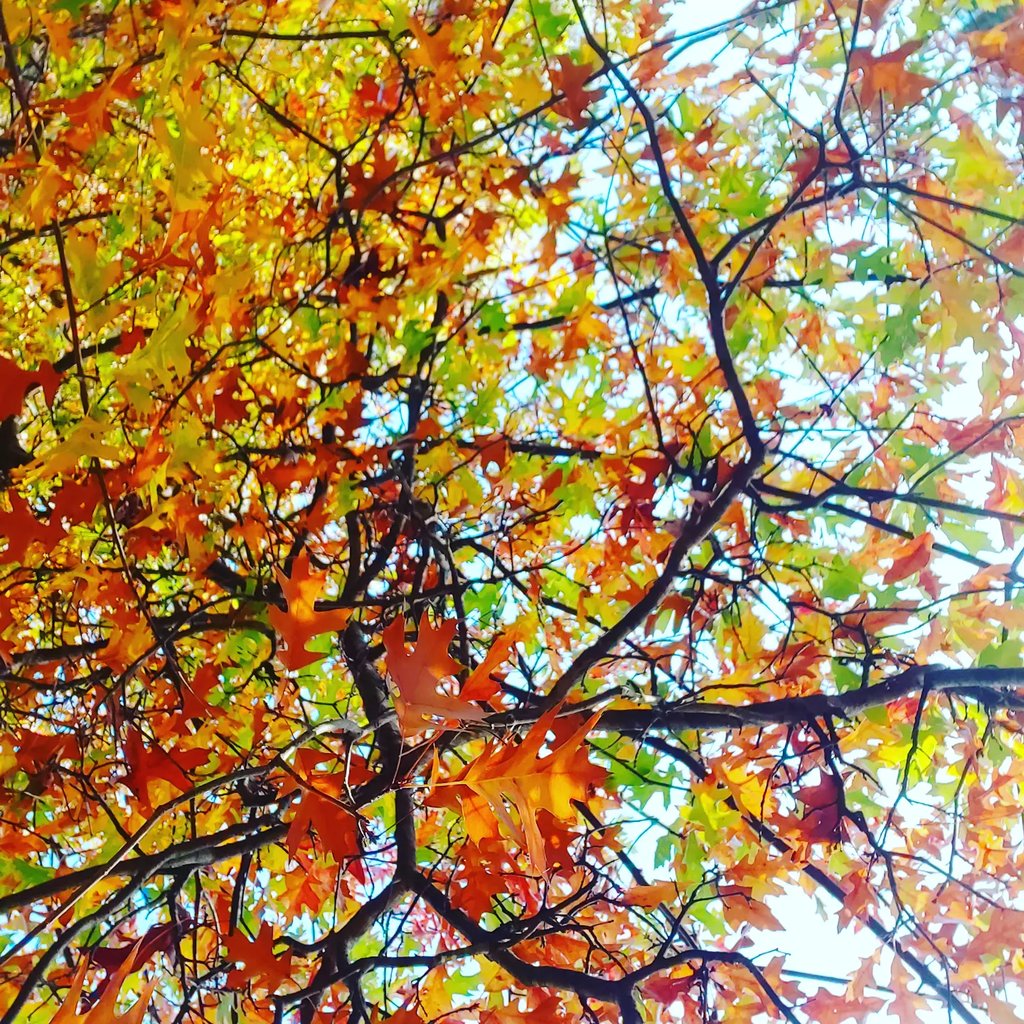
Frost touches the Earth. Leaves turn brilliant colours, brightening the spirit—nature’s way of warming the heart before Winter’s quiet.
5 May — Beginning of Winter
The cold settles on the land. Birds migrate toward warmth. Animals prepare for hibernation.
21 May — Light Snow
Snow begins in colder regions; elsewhere the rains arrive.
5 June — Heavy Snow
Snowfall deepens, or rainfall grows more persistent.
21 June — Winter Solstice
The height of Yin. Longest night of the year. Extreme Yin gives birth to Yang.
7 July — Minor Cold
Within the womb of the Earth, baby Yang is born, though the surface still feels cold.
23 July — Major Cold
Baby Yang quietly grows beneath the surface, even as the outer world feels colder still.
What Is a Moxa Season?
As Autumn deepens into Winter, it becomes the ideal time to harvest and store Qi. Acupuncture—and especially moxibustion (moxa)—helps strengthen the body’s reserves during this inward season.
Chinese medicine speaks often about preventing illness and preserving health. This does not mean we never become sick. At times, a mild cold or flu is part of the body’s renewal: a chance to release pathogens, train the immune system, and restore balance after proper rest.
The art of seasonal health lies in working with nature:
In Autumn and Winter, we gather and store Qi, protecting ourselves from the illnesses of Spring and Summer.
In Spring and Summer, we nourish and protect Qi, preparing the body against the illnesses of Autumn and Winter.
Contact us
Reach out to book your healing session today.
As we're often in the midst of treating Patients or teaching, the best way to reach us is to leave us a text, a voicemail, or an email, telling us briefly about your inquiry - acupuncture moxa treatment, or classes.
Healing Dao, Healesville Tuesdays, Thursdays, Fridays, & Saturdays
Classes Fridays & Saturdays
© 2026. Chrys Soenaris. All rights reserved.
Text & Email
Stay in touch for updates and seasonal health tips
+61-435 59 77 22
krisnapriya@gmail.com